Elevated performance
Fully linear power
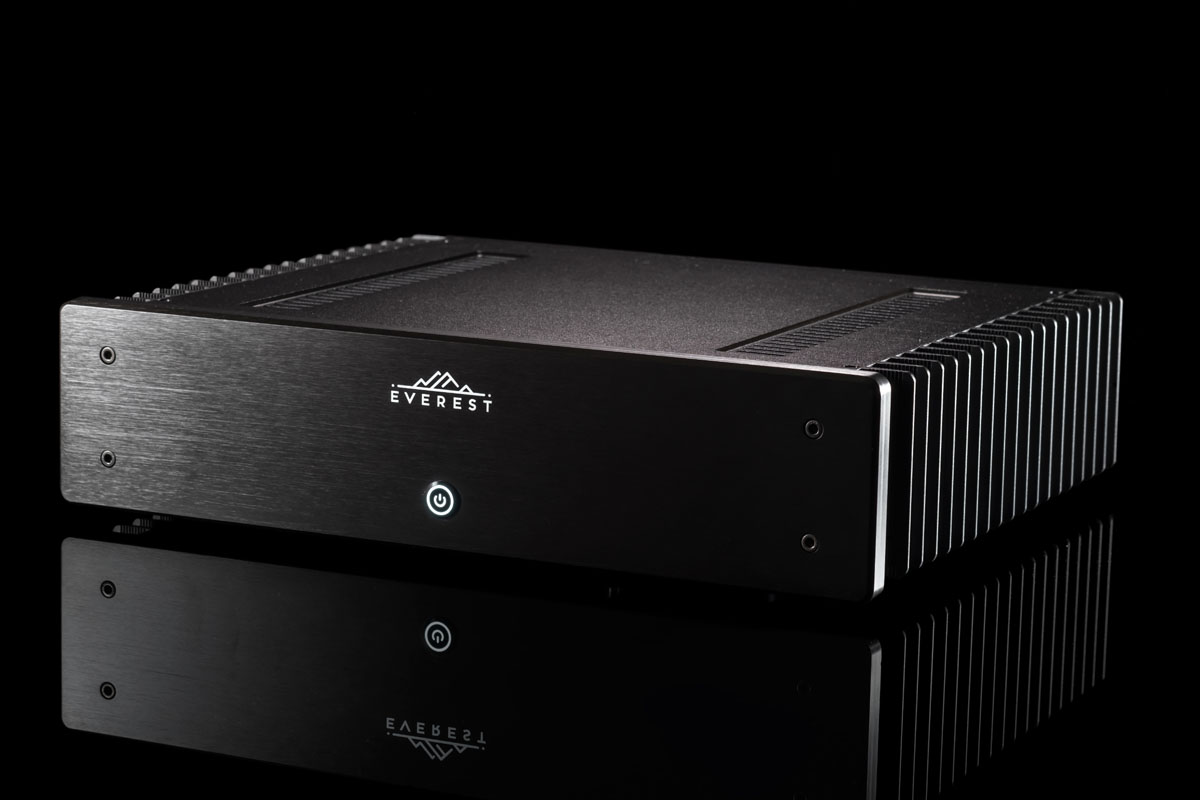
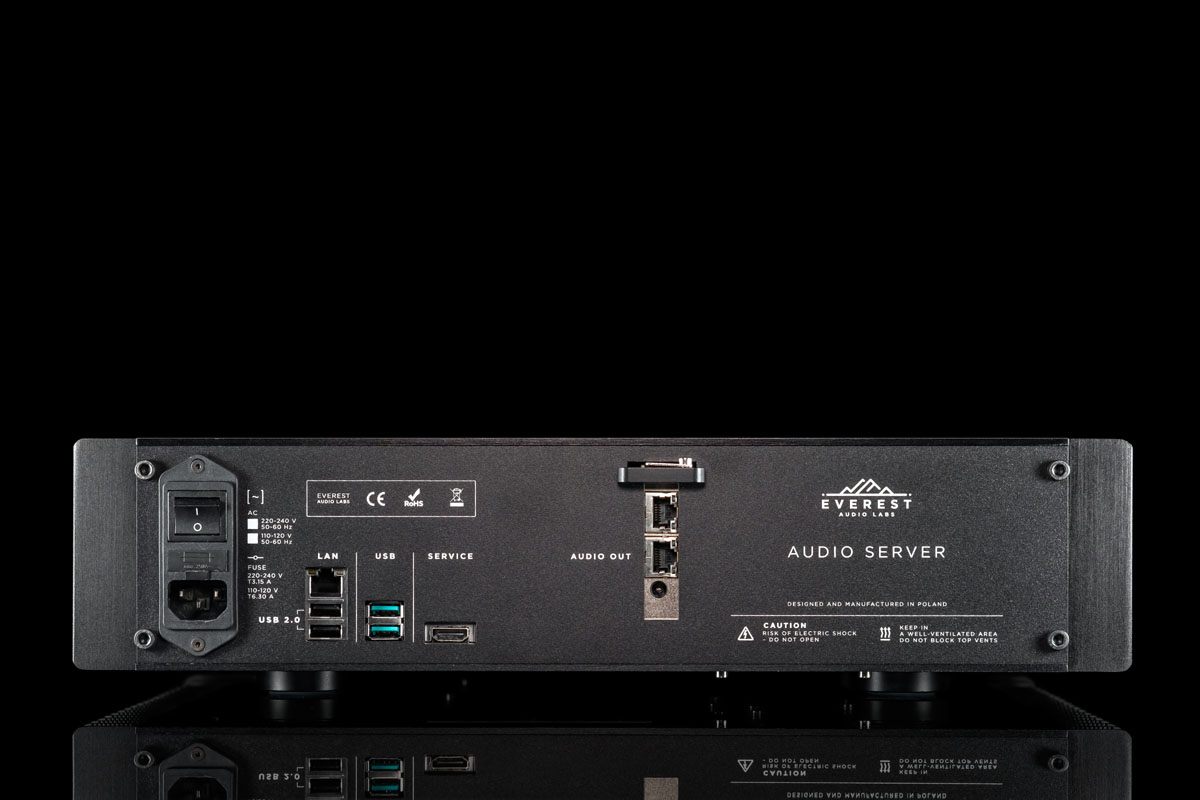
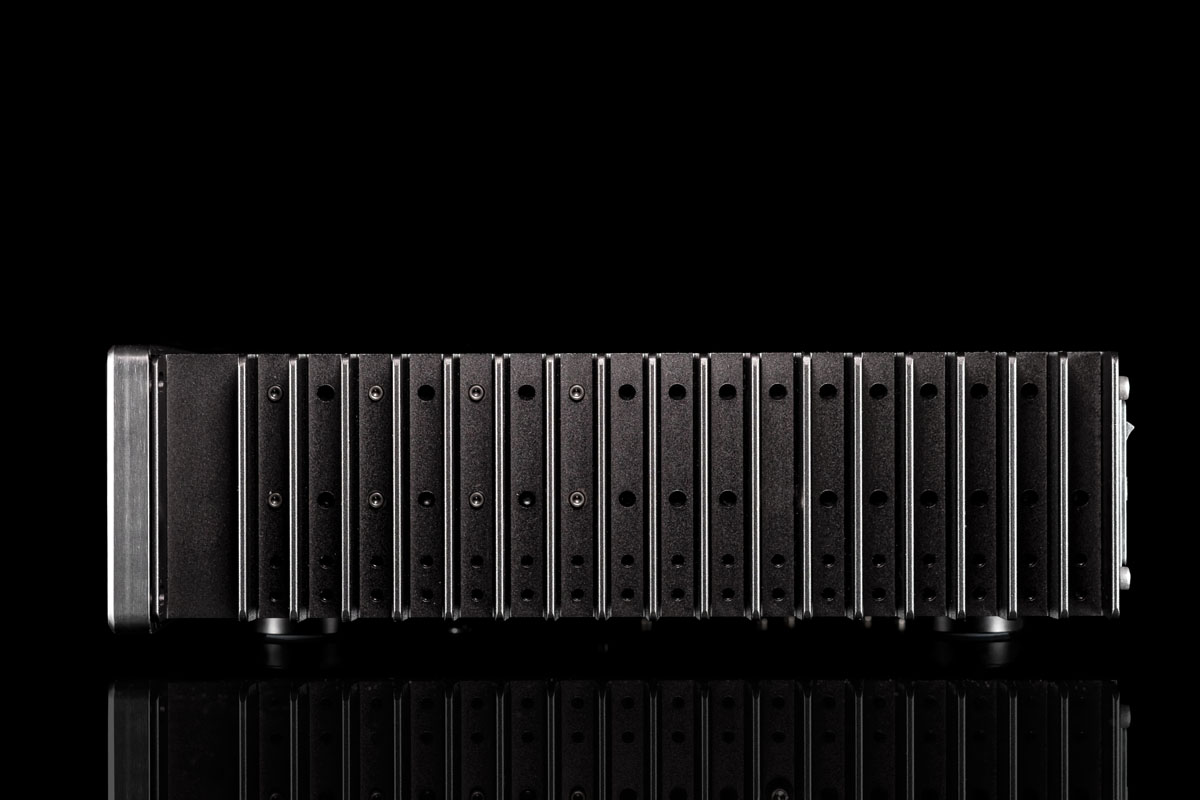
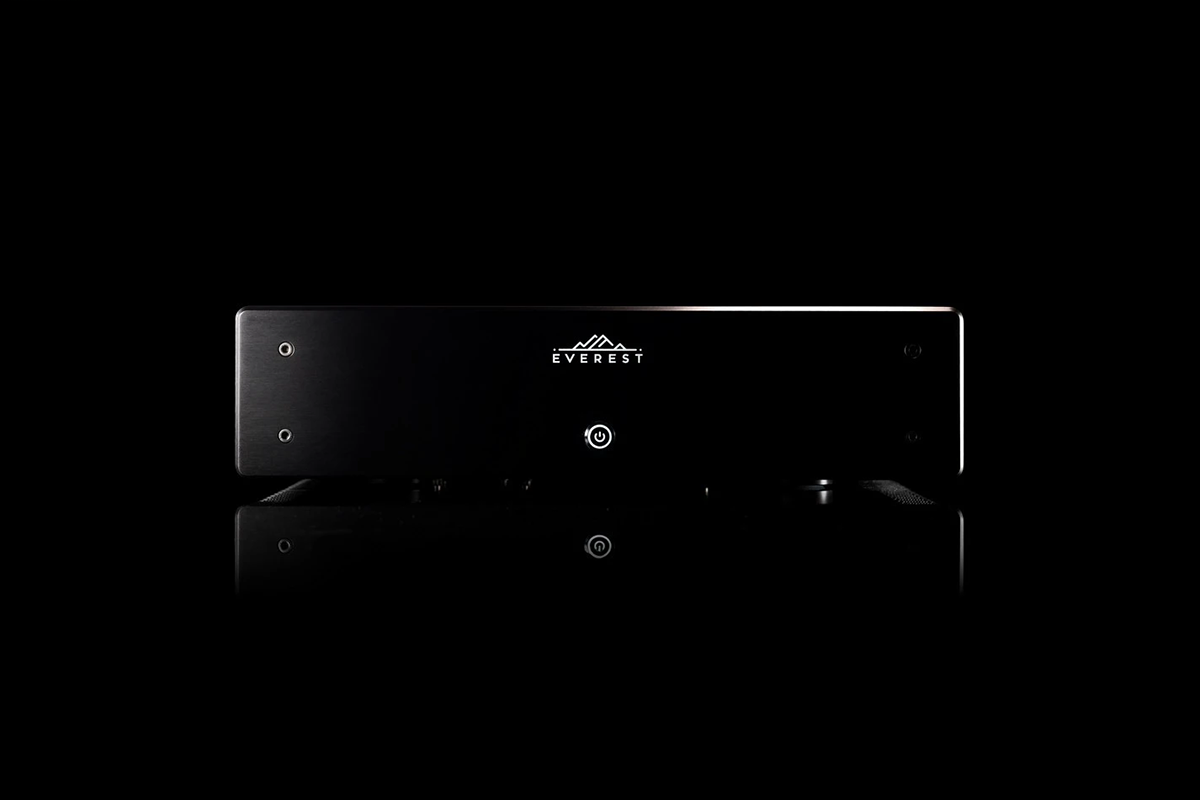
Everest Ascent is a higher-performance audio server designed for demanding digital playback systems, larger music libraries and advanced playback configurations.
Built around an Intel N100 quad-core platform with 16 GB low-latency RAM and a 500 GB low-latency system SSD, Ascent combines silent operation, a custom AudioLinux operating system and a fully linear ATX power architecture to create a stable, low-noise foundation for reference digital audio playback.
Output card
Your choice of audiophile USB or LAN card — Everest, JCAT, Pink Faun or Taiko.
Fully linear ATX
All board rails (+12, +5, +3.3, +5VSB, −12 V) from a 250 VA linear supply.
Card power
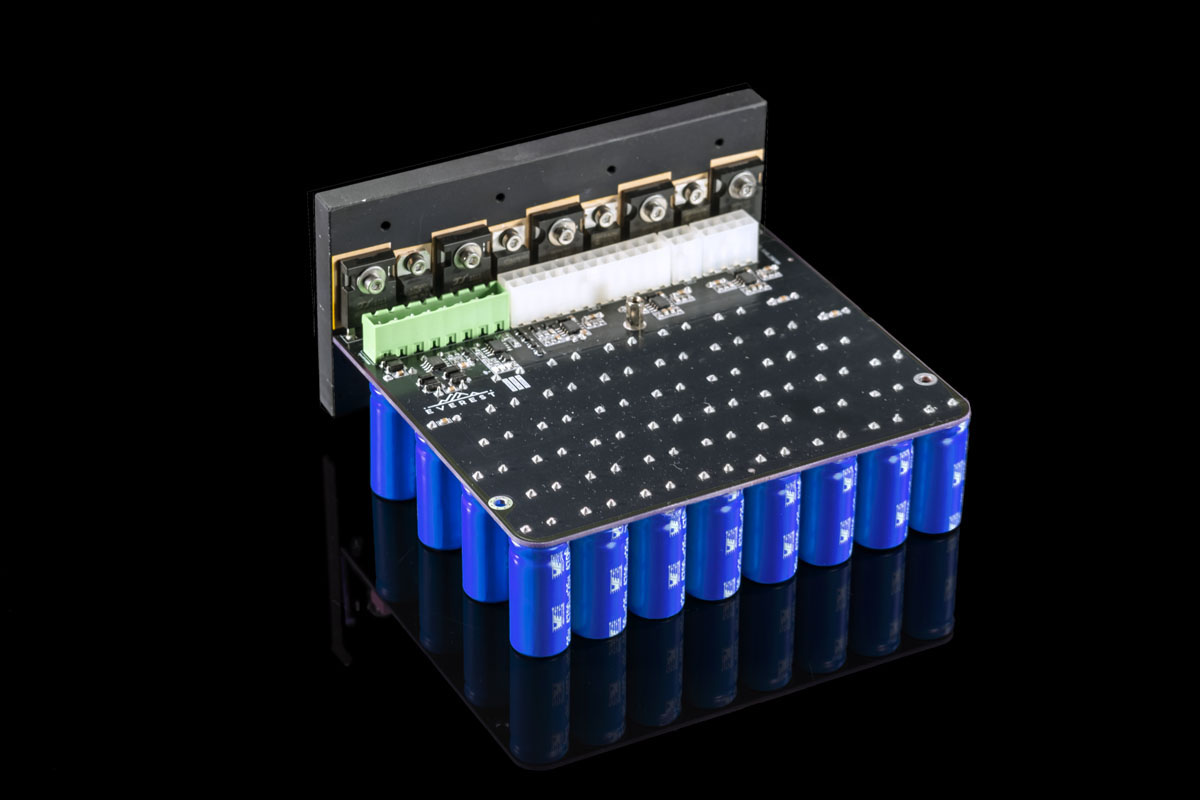
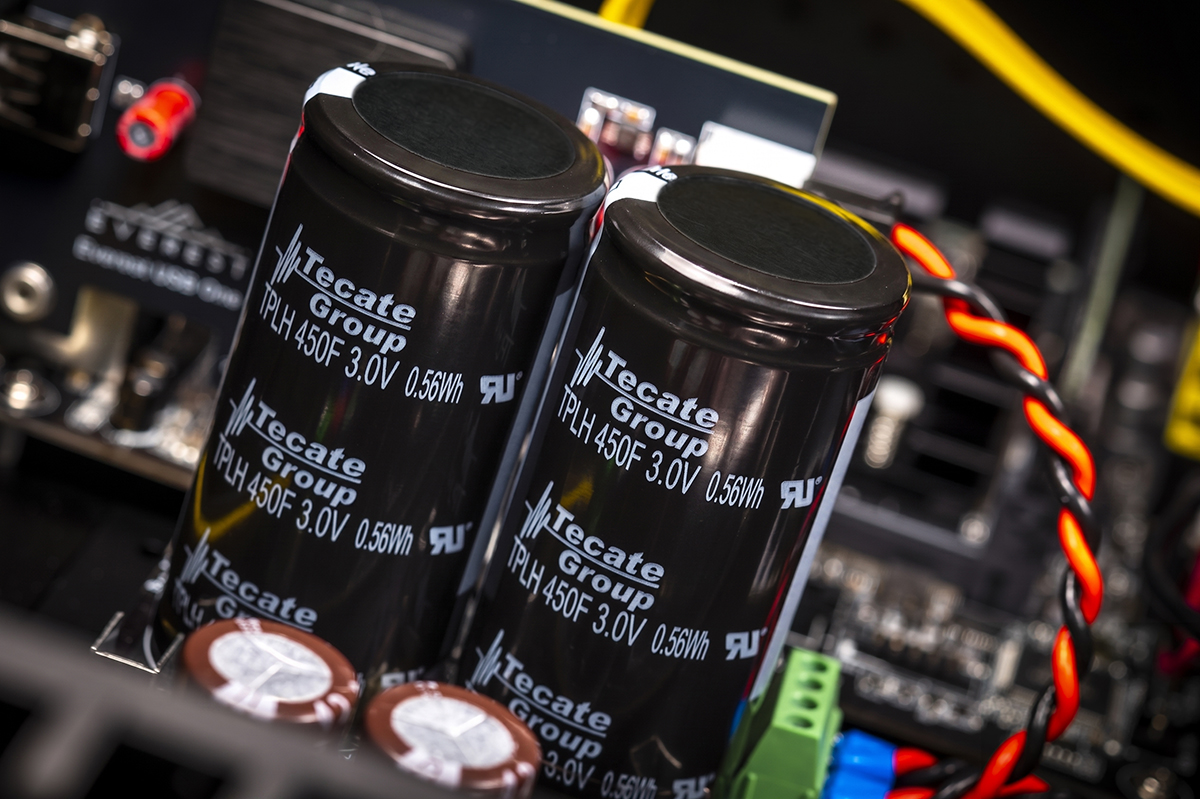
Dedicated 0.8 µV supply — 60 VA transformer, 2 × 29,000 µF and a 2 × 450 F SuperCapacitor bank.
Platform
Intel N100 quad-core, 16 GB low-latency RAM and a 500 GB low-latency system SSD.
Free worldwide shipping
All prices include VAT.
Fully Linear ATX Power Architecture
The defining feature of Everest Ascent is its fully linear ATX power supply.
Unlike many audio servers that use a single-rail linear supply and then generate the required ATX voltages through noisy DC/DC converters, Everest Ascent generates all key motherboard voltages using linear regulation.
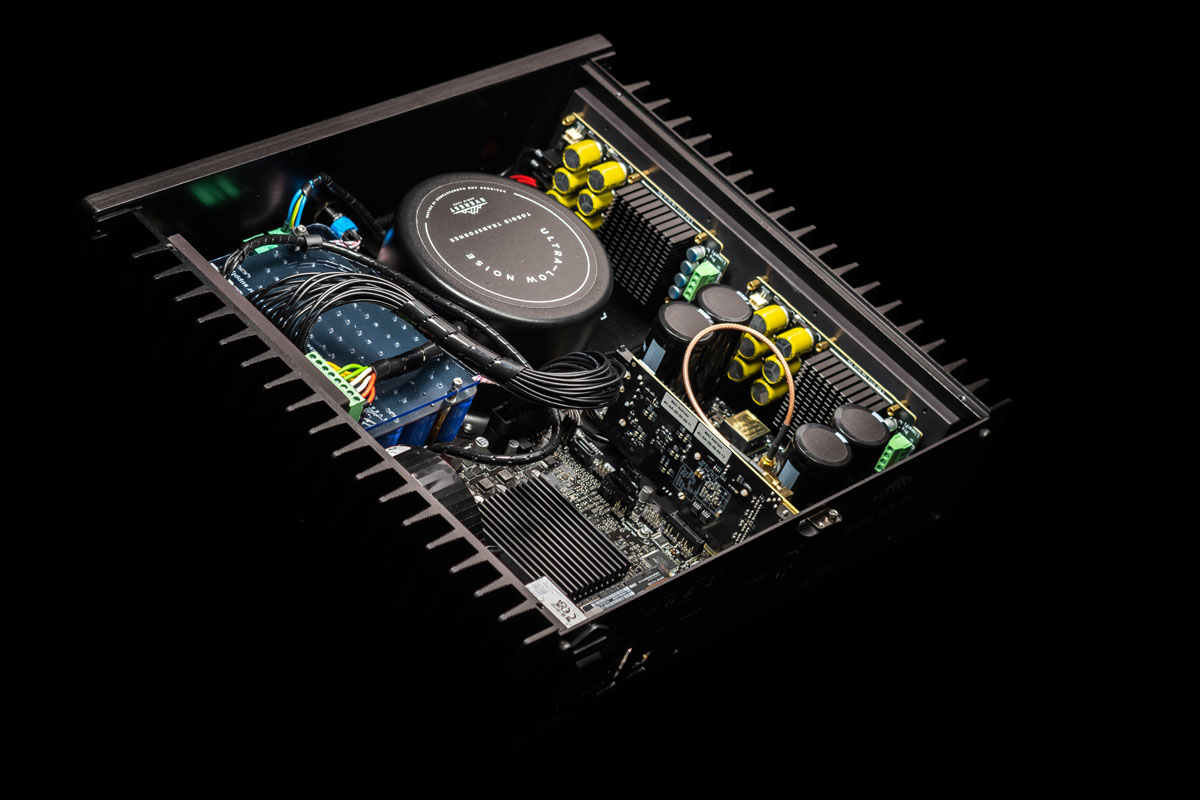
The +12 V, +5 V, +3.3 V, +5VSB and -12 V rails are all provided by the server’s ultra-low-noise linear voltage regulators, helping reduce switching noise at the source and creating a cleaner electrical environment for the motherboard and connected audio interfaces.
Ultra-Low-Noise Power Supply Design
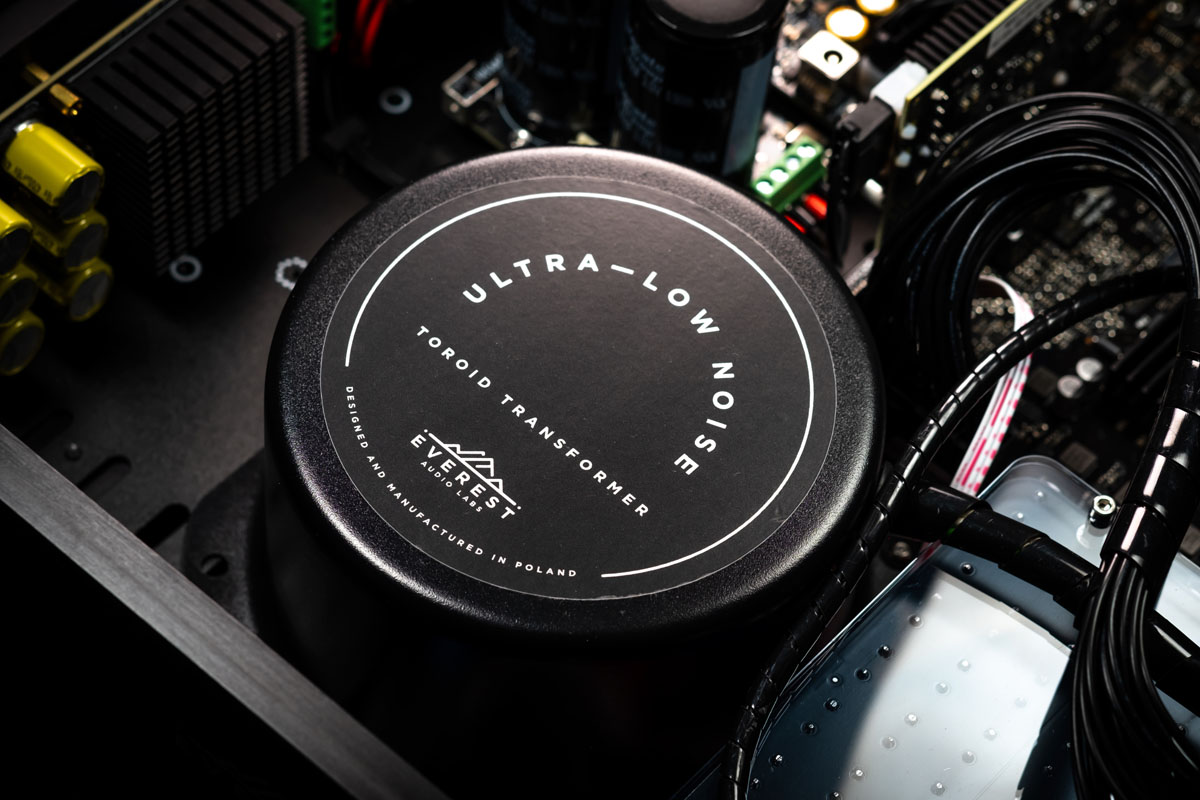
The Everest Ascent PSU is built around a 250 VA shielded power transformer and 320,000 µF of filtering capacitance. Precision bandgap references are used for high initial accuracy and low temperature drift, while RC snubbers, Schottky diodes and a 4-layer PCB further support low-noise, stable operation.
This power supply architecture is designed to deliver clean, stable power to every critical section of the server, avoiding the DC/DC switching converters commonly found in most competing audio server designs.
Dedicated Power for Storage and Output Cards
Everest Ascent includes a separate low-noise linear regulator for the storage SSD, helping isolate storage activity from the rest of the server.
The USB or LAN output card receives its own dedicated ultra-low-noise power supply, with a noise level as low as 0.8 µV. In the standard USB configuration, this output-card supply uses a separate transformer, keeping the audio interface electrically isolated from the motherboard power domain.
SuperCapacitor-powered Output Stage
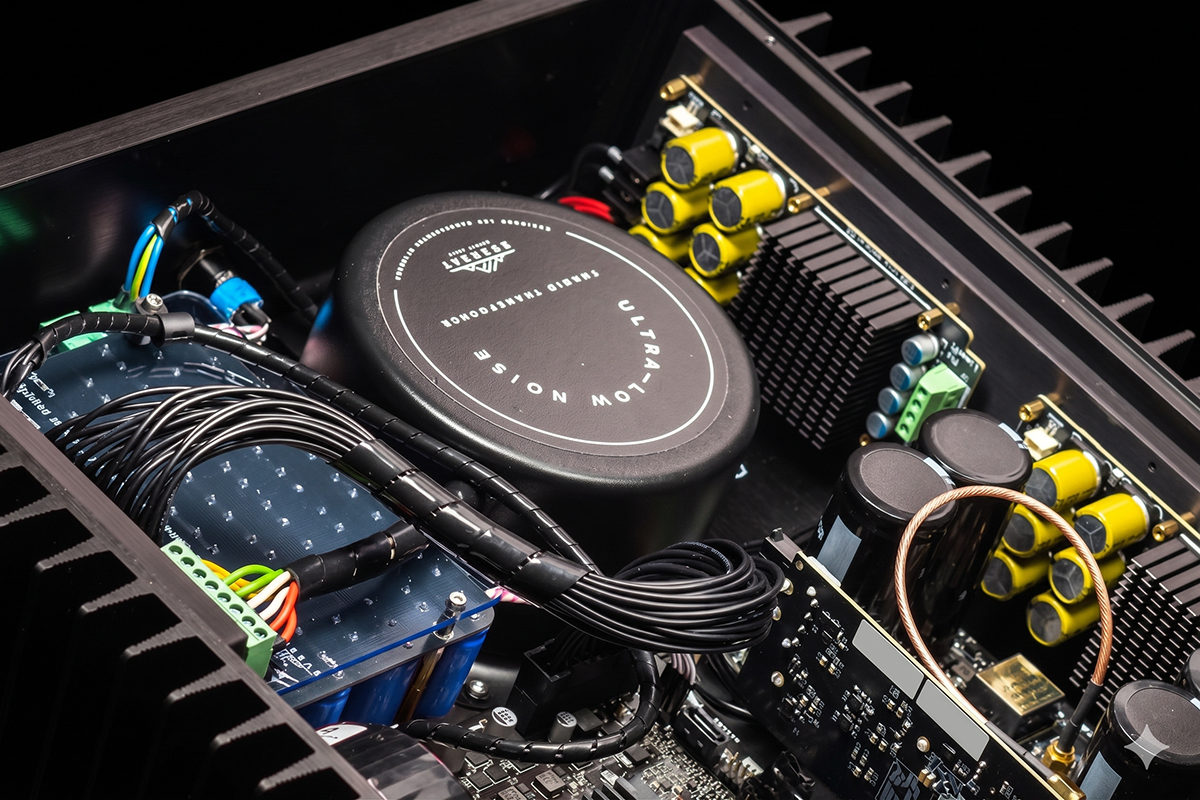
As in Everest Base, the dedicated output-card power supply in Everest Ascent uses a 2 × 450 F SuperCapacitor bank as an ultra-low-impedance energy reservoir.
Unlike conventional capacitors, SuperCapacitors offer extremely high capacitance and very low internal resistance. The theoretical peak current capability of such a SuperCapacitor bank exceeds 1600 A, limited in practice by internal resistance, PCB layout, wiring, connectors and protection circuitry. Such extreme reserve translates into exceptionally low supply impedance and outstanding instantaneous current delivery.
With output impedance as low as 3 milliohms, the SuperCapacitor stage provides an extremely stable, low-noise 5V power source for the USB interface.
Everest USB One Card option
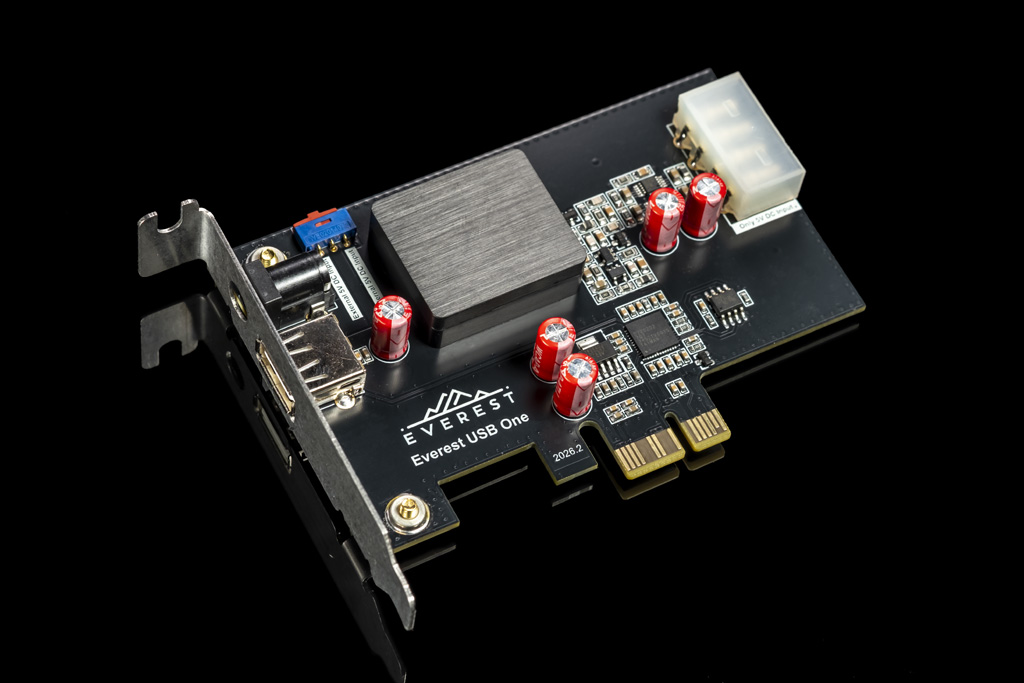
Everest Ascent can be equipped with the Everest USB One audiophile PCIe USB host card. Designed specifically for high-end audio playback, Everest USB One provides a higher-quality USB output than standard motherboard ports, with dedicated low-noise regulation and precision SC-cut clocking.
Everest USB One uses an SC-cut low phase noise crystal oscillator, powered by stacked, state-of-the-art ultra-low-noise LT3042 voltage regulators. This provides a stable reference clock for the USB controller, helping reduce timing-related disturbances and high-frequency noise generated by the USB interface.
The oscillator is enclosed in a dedicated CNC-machined metal housing and additionally potted with a damping compound to suppress high-frequency microphonic effects, further improving mechanical stability and the clock’s phase noise performance under real-world operating conditions.
Configurable Output Cards
Everest Ascent can be configured with different audiophile output cards depending on the system and DAC.
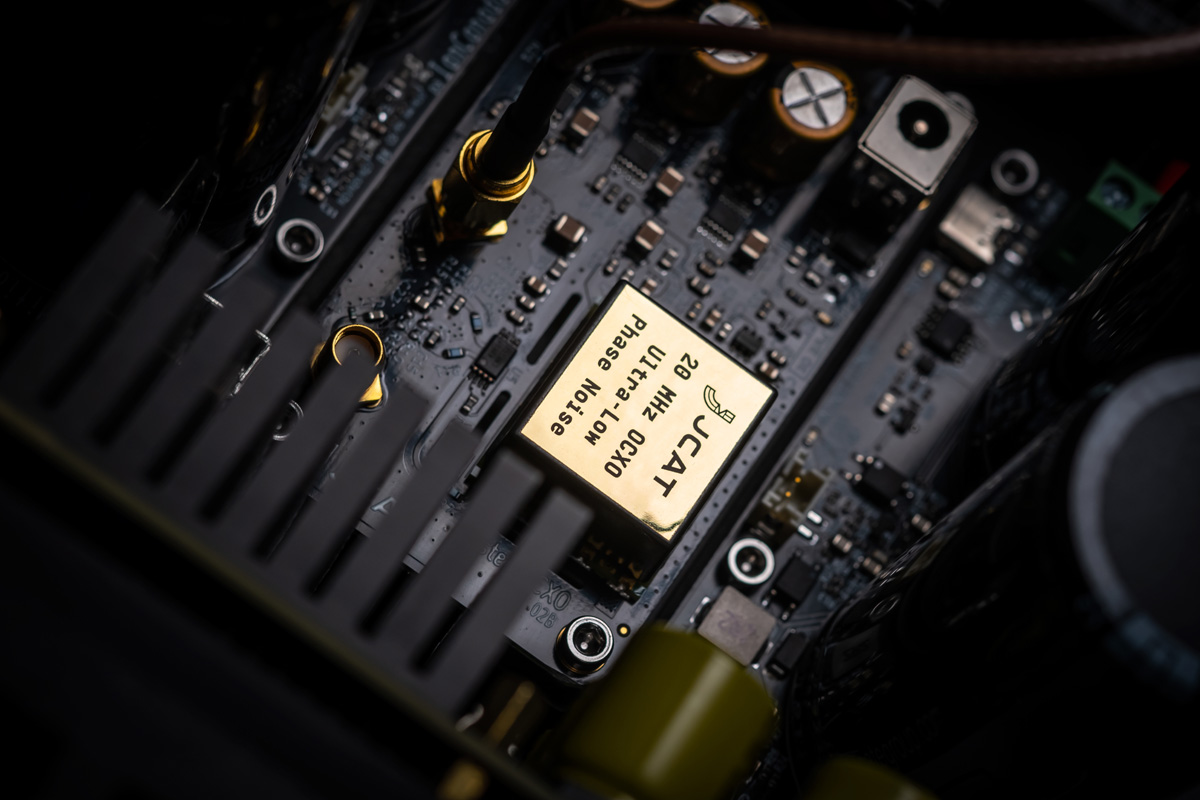
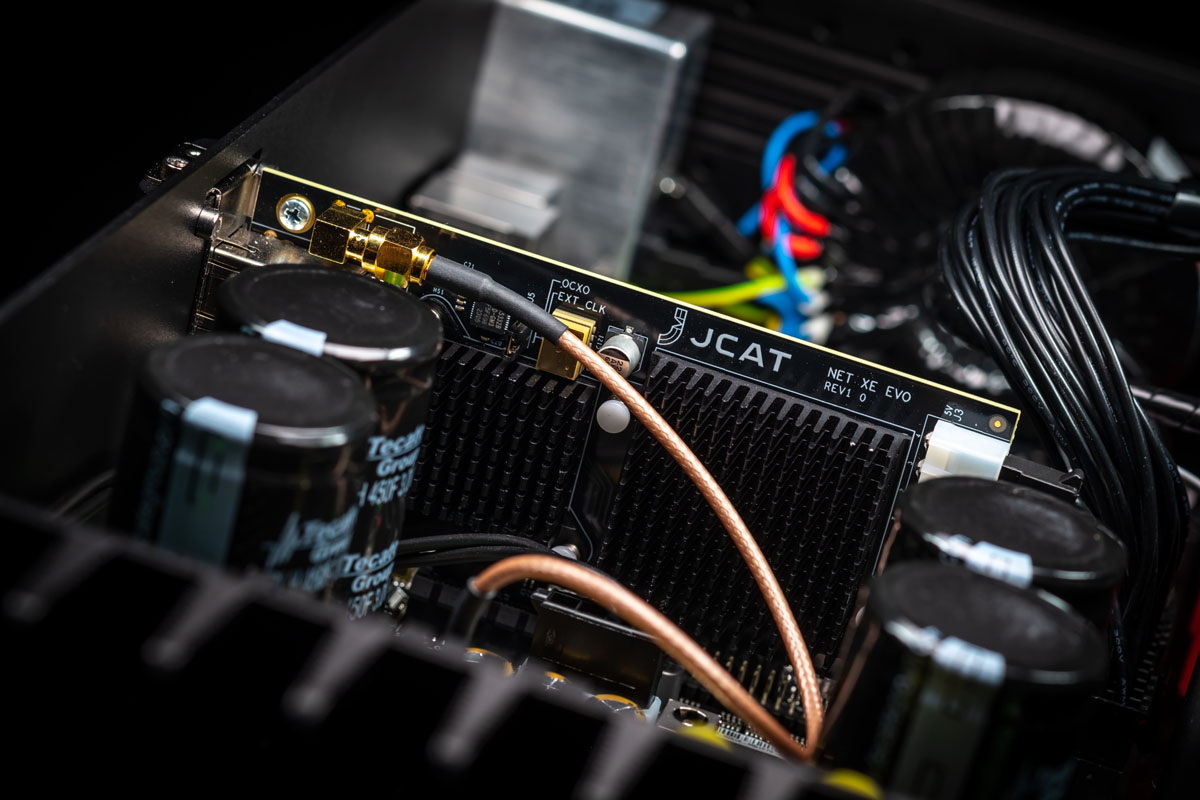
For USB-based systems, Everest Ascent is available with Everest USB One, Pink Faun USB Bridge mk.2 or JCAT USB XE Evo cards. The JCAT USB XE Evo option can also be configured with an external JCAT OCXO clock.
For users with Roon Ready DACs or network audio systems using Ethernet input, Everest Ascent can be ordered in a network-output configuration, replacing the USB card with Taiko Network Extreme with SFP output or JCAT NET XE Evo, also available with or without the external JCAT OCXO clock.
In this configuration, Everest Ascent can be set up as a dedicated audio bridge, creating a private music-only network between the server and the DAC. The DAC can be connected directly to the server, bypassing the home router or network switch.
This approach combines high-quality audiophile network hardware with network isolation. Taiko and JCAT network cards use their own ultra-low-noise clocking, far beyond what is typically found in consumer routers and switches, while the dedicated audio subnet keeps regular household network traffic away from the DAC connection.
Custom AudioLinux Operating System
Everest Ascent uses a custom version of AudioLinux, a dedicated audiophile operating system built around custom real-time kernels and very low audio and processor latency. It is designed to reduce unnecessary background activity and provide a cleaner, more focused software environment for high-end digital playback.
The system is carefully configured with dedicated CPU cores for audio-related processes, allowing critical playback tasks to run with greater consistency and lower latency. This creates a stable software foundation for Roon, HQPlayer, UPnP/DLNA, MPD/JPALY and other modern playback platforms.
Built for Modern Audio Playback
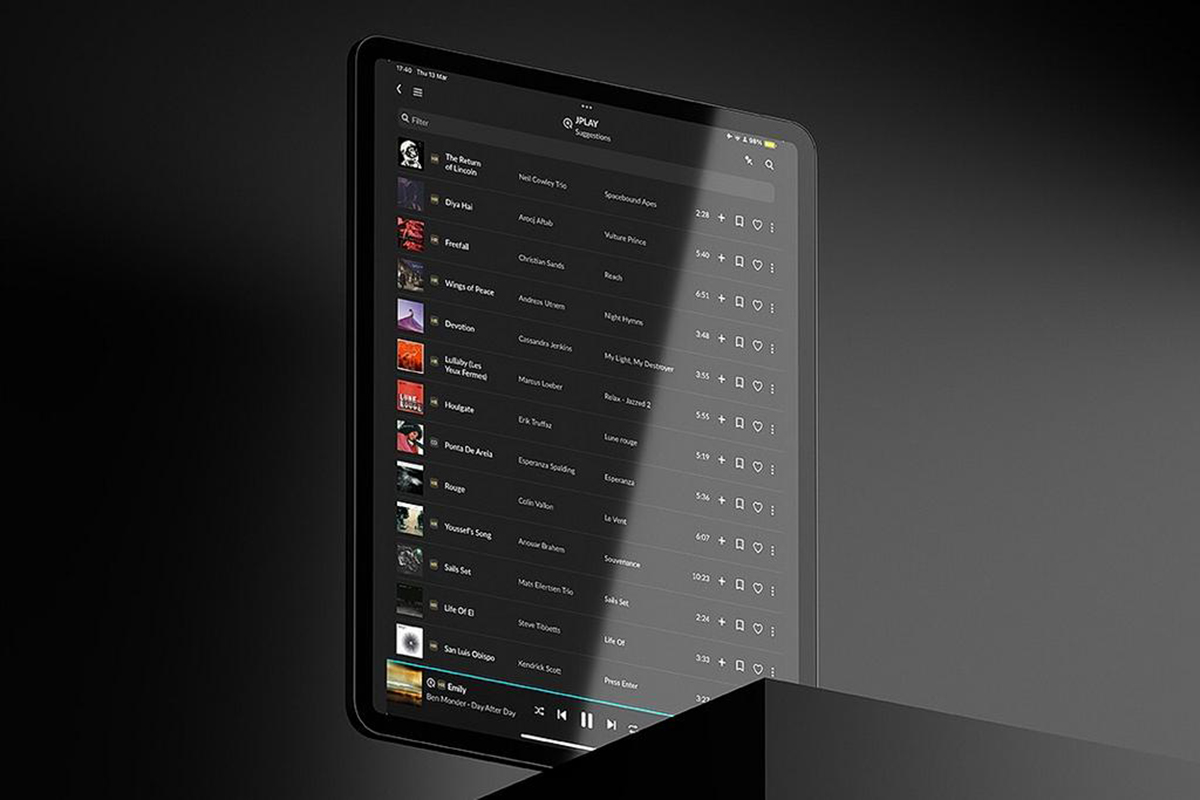
Everest Ascent is supplied with pre-installed music software and can be configured for Roon Core, Roon Bridge, HQPlayer NAA, MPD/Jplay and other playback roles depending on the system.
With internal storage options up to 8 TB, Ascent is designed for serious digital libraries, streaming services and high-end USB or network DAC playback.